A simple, research-validated way to recognise your newborn’s needs by listening to the sounds they make — before crying escalates.
When a newborn cries, most parents are told:
“You’ll figure it out.”
But in those early weeks — exhausted, emotional, running on broken sleep — guessing can feel overwhelming.
What if you could listen with confidence, instead of trial and error?
The Dunstan Baby Language teaches parents how to recognise five universal newborn sounds, each linked to a specific physical need — hunger, sleep/tiredness, burp, lower gas, discomfort.
Not intuition.
Not guesswork.
But observation, reflexes, and sound.

In this 1-hour video, you’ll learn:
The five pre-cry sounds all babies make
What each sound means and why it happens
How to respond early — before crying escalates
Why these sounds are universal, across cultures
How early listening reduces stress for parents and babies
You don’t need musical training.
You don’t need experience.
You just need to listen differently.
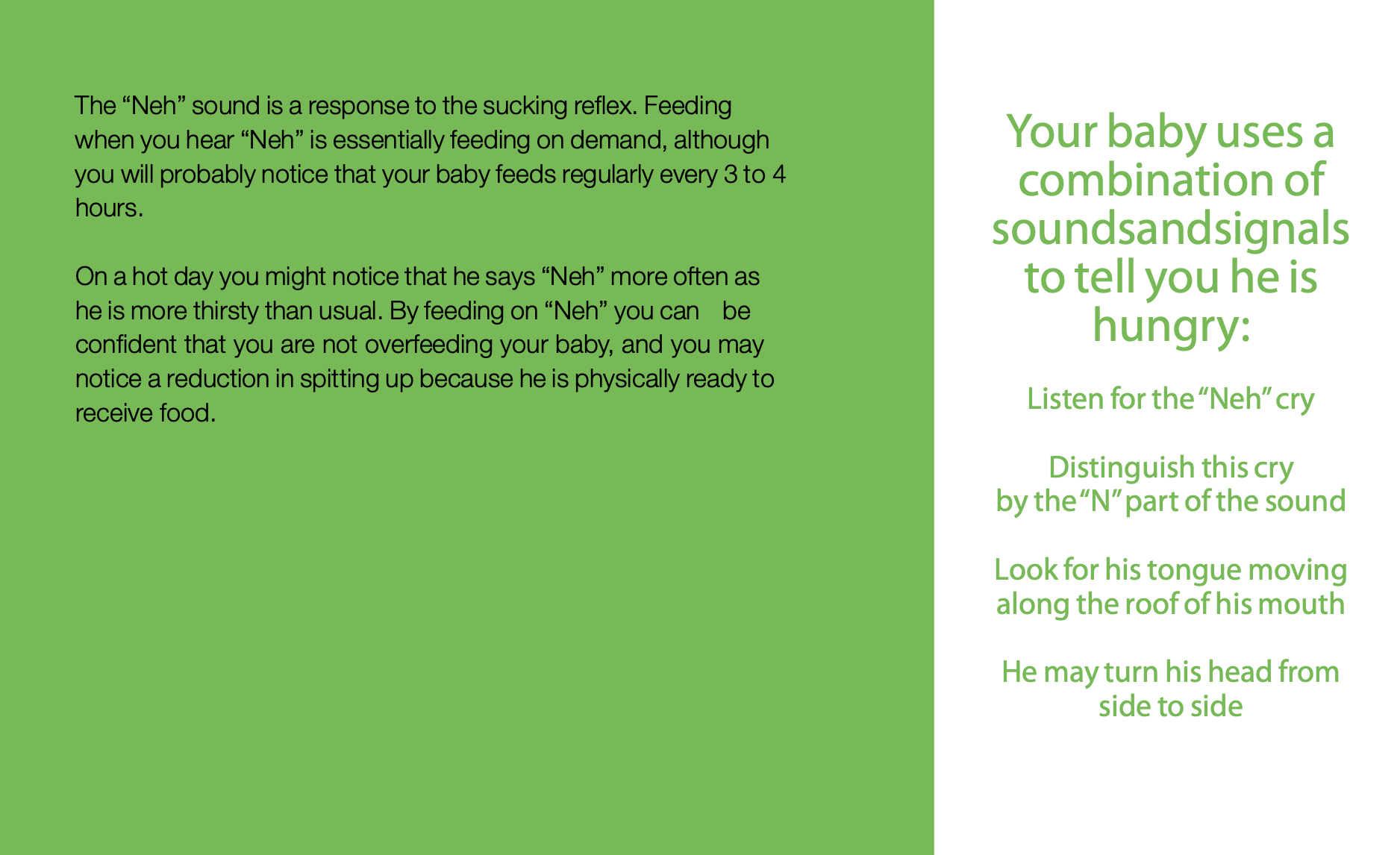
The Dunstan Baby Language is based on reflexive movements that occur naturally in newborns.
When a physical reflex (like sucking, yawning, or digestive contraction) is paired with an exhalation of air, a distinct sound is produced.
Over nearly a decade of observation and independent research:
These sounds were identified
Classified
Tested with parents
And shown to be learnable and effective
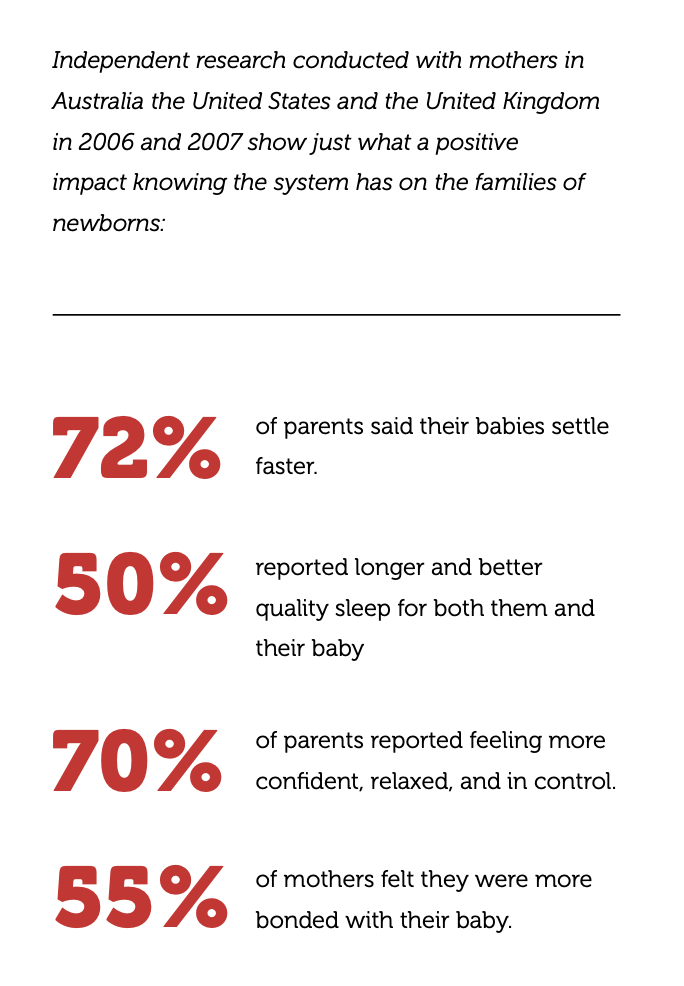
Parents using the system consistently report:
Faster settling
Reduced stress
Greater confidence
Improved sleep for both baby and parents
✔ 60-minute on-demand video
Watch anytime, on any device
✔ Lifetime access
Revisit whenever you need reassurance
✔ Clear, practical demonstrations
Hear the sounds. See the reflexes. Understand the meaning.
✔ Free downloadable e-Guides
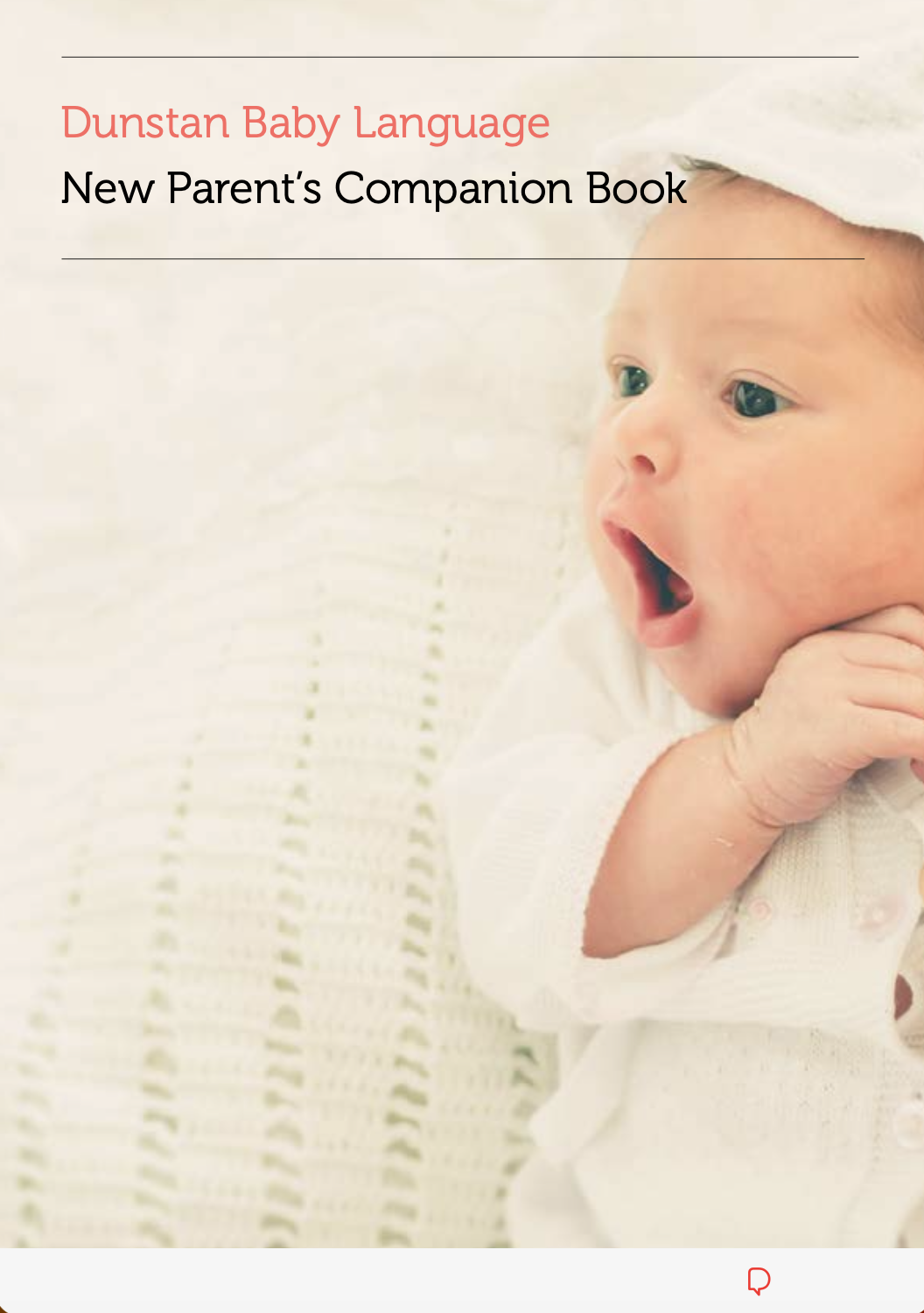
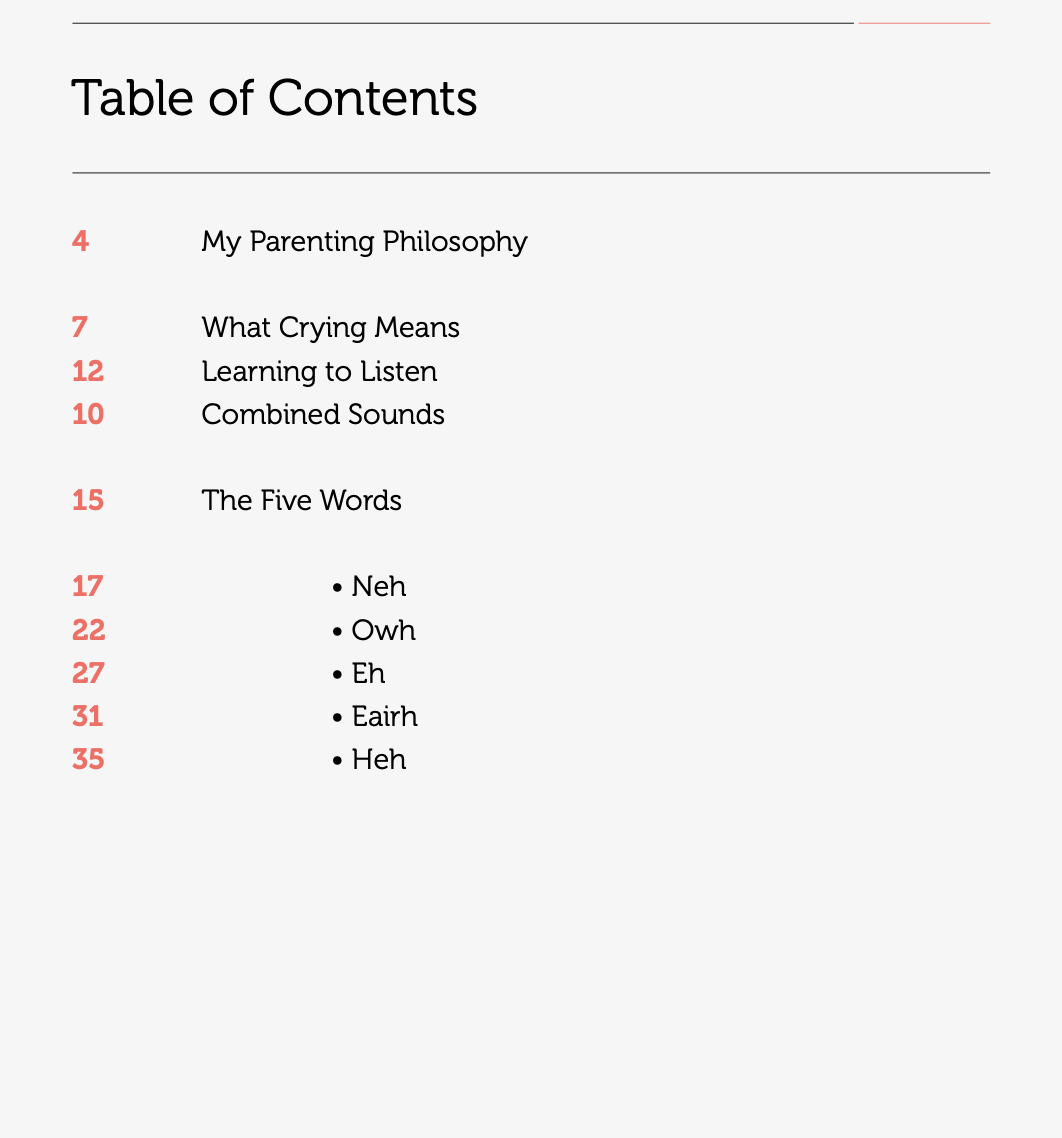
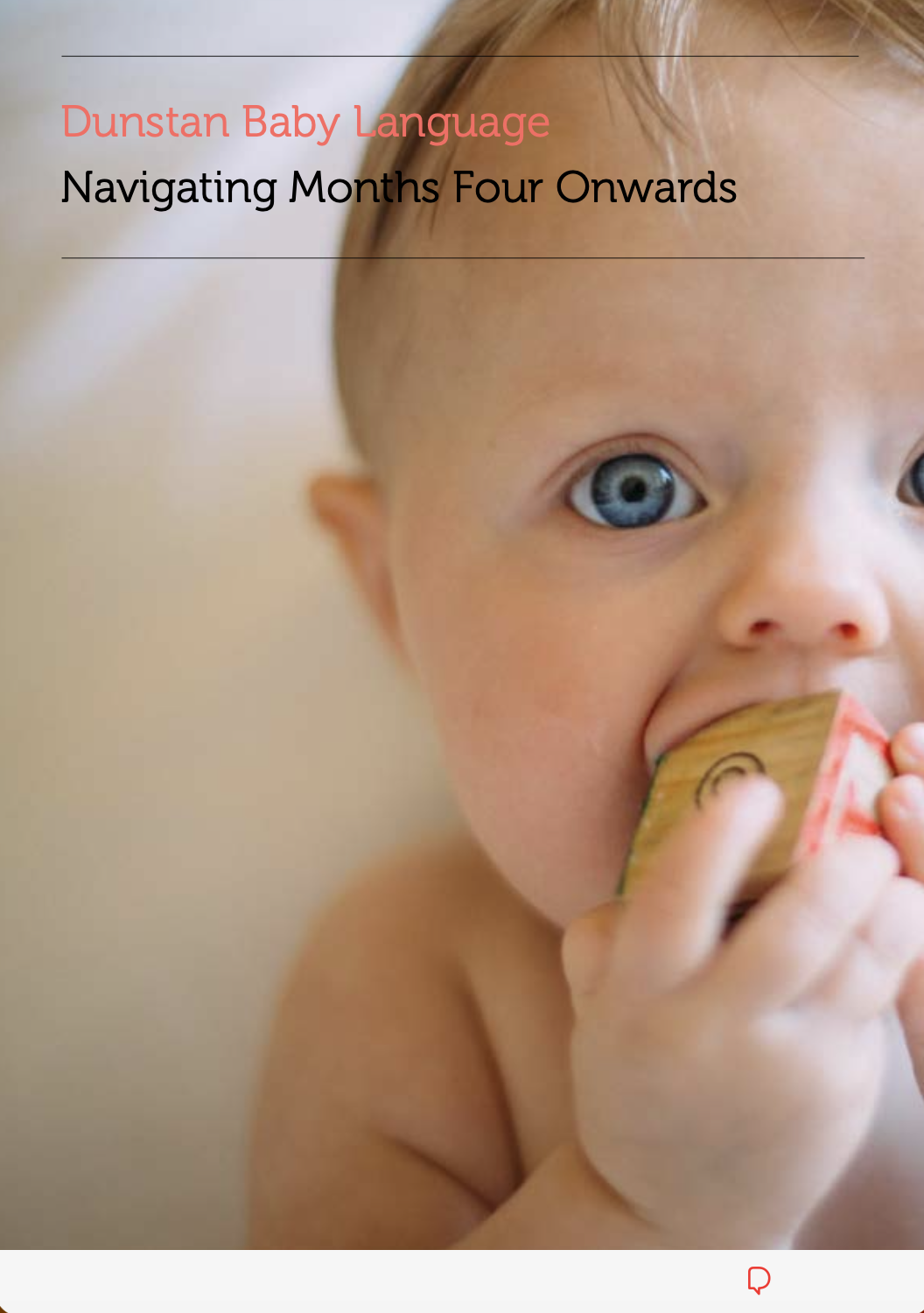
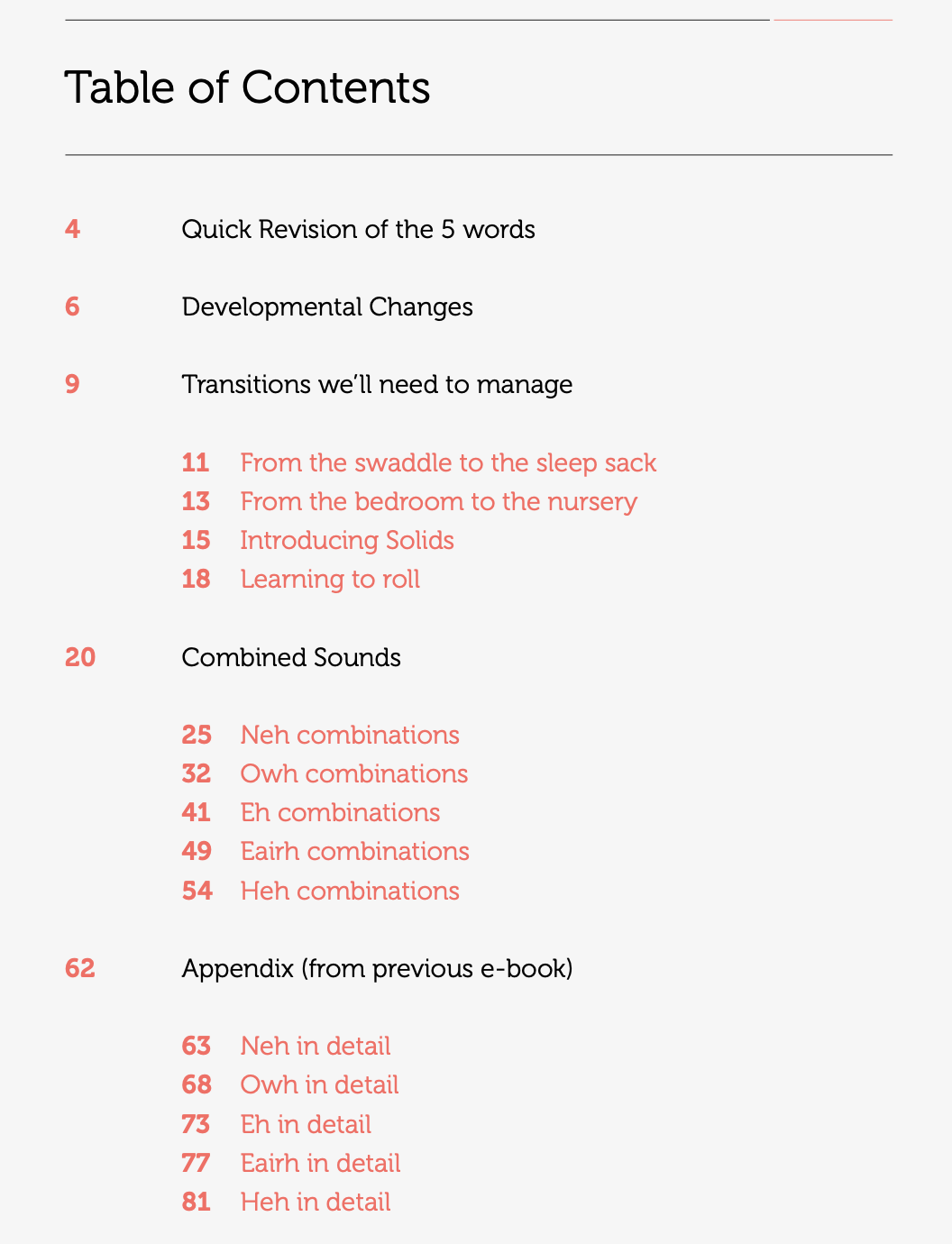
Four invaluable references - over 160 pages of expert information about your newborn's wellbeing and how the Dunstan baby language makes your parenting experience more enriching and joyfol.
New parents
Expecting parents
Parents of babies under 6 months
Anyone feeling unsure when their baby cries
This is not medical advice.
It’s a listening skill — one you can learn quickly and use immediately.
Your baby is already communicating.
This guide helps you learn how to listen.
Get instant access to the Dunstan Baby Language